

Understanding the psychological triggers that drive gambling behavior
The Allure of Uncertainty
The psychology behind gambling often revolves around the concept of uncertainty and risk. This inherent unpredictability is a significant draw for many players, as it evokes a sense of excitement and anticipation. The thrill of not knowing whether one will win or lose can activate the brain’s reward centers, releasing dopamine and creating a pleasurable experience. As players engage in games of chance, the allure of potentially substantial payouts becomes intertwined with the adrenaline rush, often leading to repeated play. You can learn more at https://rubyreels.nz/, where you will find various games to discover.
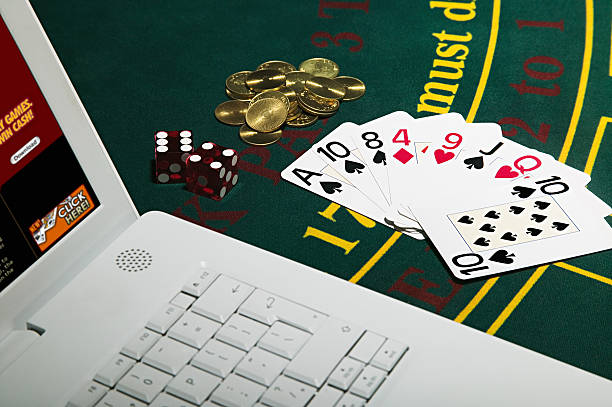
This uncertainty becomes even more appealing when players perceive a chance of winning. Cognitive biases, such as the illusion of control, can lead individuals to believe they can influence outcomes, heightening their interest in gambling. For instance, a player might think they can influence the results of a slot machine through their choice of timing or strategy, even though these outcomes are entirely random. This misperception further fuels their desire to gamble.
Moreover, this dynamic can lead to a cycle of engagement where the unpredictability of the game keeps players returning for more. Each spin of a slot machine or roll of the dice can evoke emotional highs and lows, making the experience addictive. Over time, the brain can become conditioned to seek out these emotional peaks, reinforcing gambling behavior as a preferred source of excitement.
The Role of Reward and Reinforcement
At the heart of gambling behavior lies the principle of reward and reinforcement. The intermittent rewards provided by games can establish a powerful connection between gambling and pleasure. Players often experience brief moments of exhilaration when they win, and these feelings can create a compelling reason to gamble again. The variable ratio reinforcement schedule, where rewards are not provided after every game but rather at unpredictable intervals, enhances this effect, making it more compelling and difficult to resist.
This reinforcement pattern mirrors many addictive behaviors, where the anticipation of a reward becomes more enticing than the actual reward itself. The unpredictability of winning can lead to an addiction cycle, where players continue gambling in hopes of recapturing that winning feeling. In essence, the brain’s dopamine response to wins reinforces the desire to gamble despite the potential for losses.
Additionally, various forms of gambling have been designed to maximize these reward mechanisms. For example, the incorporation of bonus rounds or free spins in slot games creates additional chances for wins, further enticing players. Understanding these psychological mechanisms can help players recognize their patterns of behavior and potentially manage their gambling habits more effectively.
The Impact of Social Factors
Gambling behavior is also significantly influenced by social factors. Peer pressure and the desire for social acceptance can play a crucial role in motivating individuals to engage in gambling activities. In many social circles, gambling is a form of entertainment that fosters camaraderie, with individuals often participating together to enhance the experience. This social aspect can create a sense of belonging and make gambling more appealing.
Furthermore, the portrayal of gambling in media and popular culture can shape perceptions and expectations. Movies, television shows, and advertisements often glamorize the lifestyle associated with gambling, portraying it as a path to wealth and excitement. This representation can entice individuals, particularly those who may feel discontent with their own lives, to seek out gambling as an escape or a way to achieve the perceived thrill depicted in these narratives.
The combination of social influence and cultural representation can create an environment where gambling is normalized and even celebrated. For instance, communities that host regular gambling events may inadvertently encourage participation, as individuals may feel compelled to join in to avoid exclusion. This aspect underscores the importance of recognizing the broader social dynamics that can contribute to gambling behavior.
The Psychological Distress and Escapism
For many, gambling serves as a form of escapism from daily stressors and psychological distress. Individuals might turn to gambling as a way to cope with feelings of anxiety, depression, or boredom. The immersive nature of gambling can provide a temporary reprieve from life’s challenges, allowing players to focus solely on the game at hand. This distraction can feel therapeutic, albeit in a potentially harmful way.
However, this form of escapism can also lead to deeper issues, as individuals might find themselves trapped in a cycle of chasing losses or attempting to win back money spent. This behavior often exacerbates existing emotional or psychological issues, creating a downward spiral. The need to escape reality can override rational thinking, pushing individuals to gamble more than they can afford, leading to further distress.
It’s essential to recognize that while gambling can provide short-term relief, it rarely addresses the underlying issues contributing to one’s distress. Awareness and understanding of this cycle can help individuals seek healthier coping mechanisms, whether through professional support or alternative activities that provide emotional fulfillment without the associated risks of gambling.

Exploring Rubyreels Casino
Rubyreels Casino exemplifies a modern online gaming platform that understands the psychological triggers of gambling behavior. With its extensive array of games, including slots, table games, and live casino options, it caters to the varied preferences of players. By offering a secure environment and engaging promotions, Rubyreels aims to enhance the gaming experience while addressing the psychological aspects of gambling.
The site provides a generous welcome package and a loyalty program designed to reward players for their engagement, tapping into the reward mechanisms discussed earlier. Such offerings can amplify the thrill of gaming, appealing to players’ desires for both excitement and recognition. Additionally, the user-friendly interface and diverse payment options make it easy for players to immerse themselves in their gaming experience.
Ultimately, understanding the psychological triggers behind gambling behavior can empower players to approach gaming with awareness and responsibility. Rubyreels Casino, through its thoughtful design and commitment to player satisfaction, strives to create an enjoyable experience that prioritizes both entertainment and safe gaming practices.